
SERIES 1
Introducing our first collection, a sort of "History Revision." This is 100 years packed into 30 artworks, clearly showing how public attitudes, state propaganda, and humor itself changed over the decades. The evolution of the Georgian satirical press and illustrations perfectly mirrors the historic shifts the country experienced over a century.
The project clearly shows what topics they discussed and what they laughed at (or mocked) in different decades:
Chronicle of the Decades
1900s
The satire is free from totalitarian propaganda and realistically depicts everyday economic hardships and artificial price hikes by merchants, which practically stripped people of their last pennies.
1910s
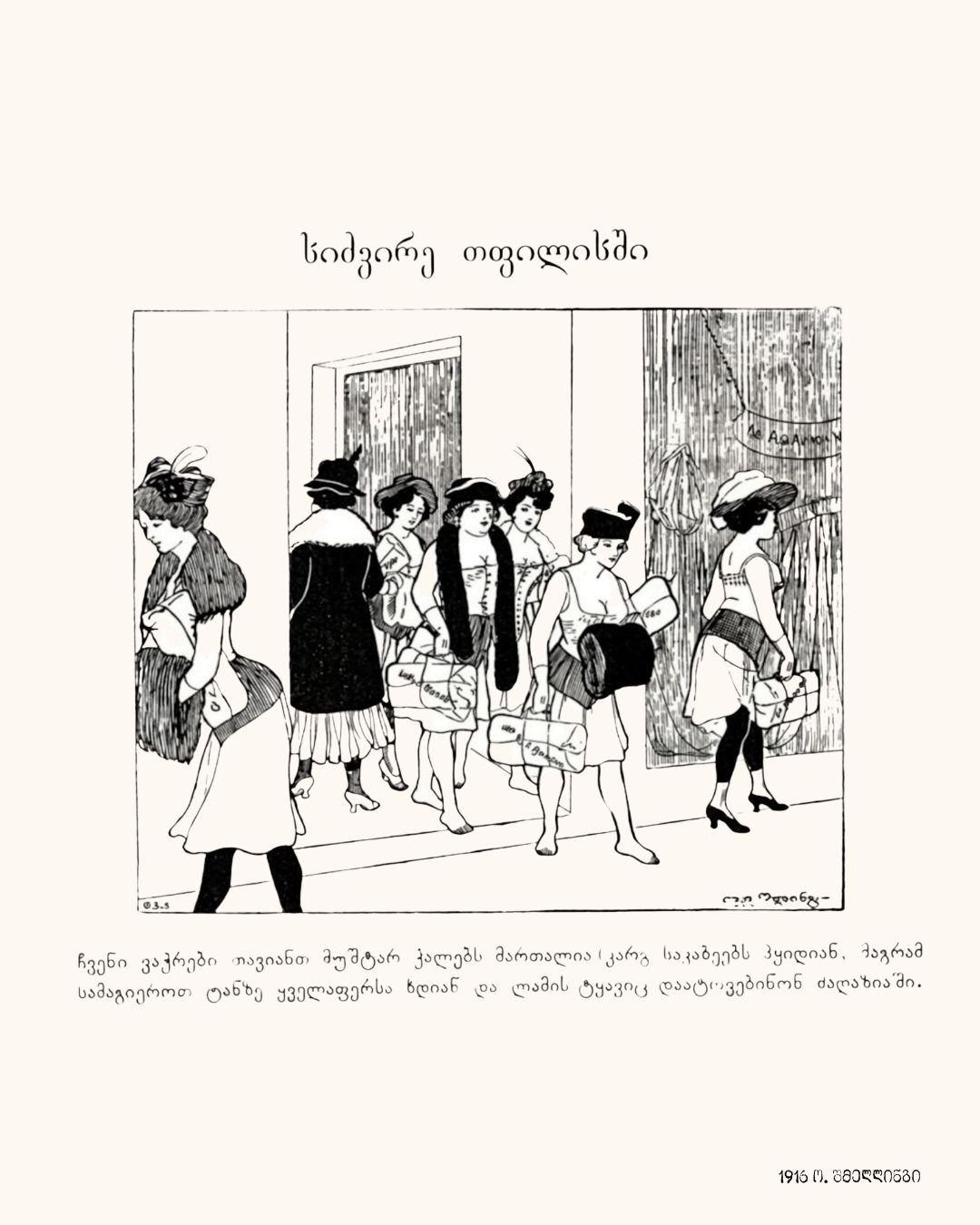
Humor shifted under strict censorship and only indirectly reflected the severity of World War I and the ongoing crises.
1920s
Satire fully became a weapon of the newly created Soviet ideology and directly targeted religion and the so-called remnants of the past.
1930s
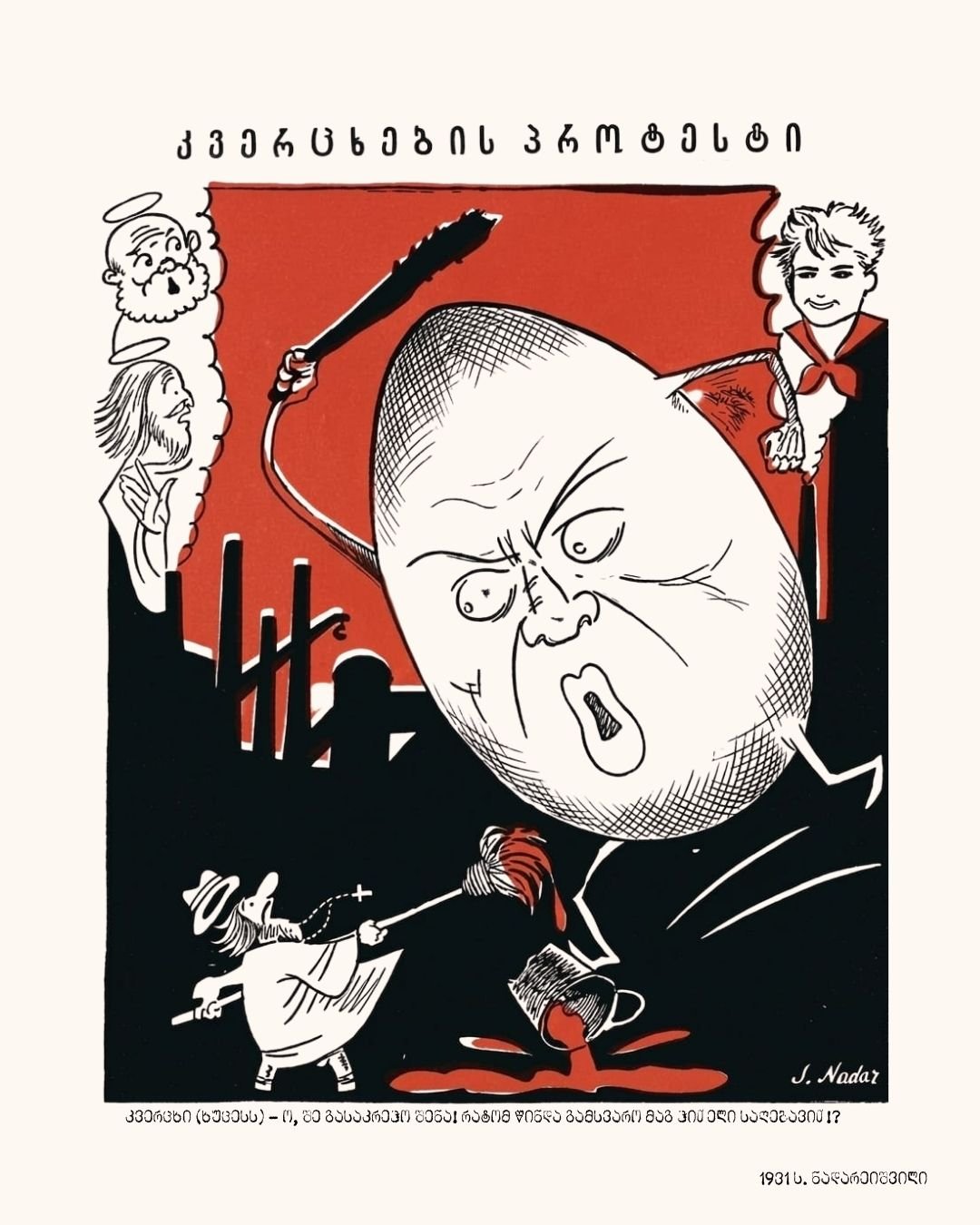
Humor was completely subjected to totalitarian propaganda, which glorified socialist construction, ruthlessly fought "enemies of the people," and harshly mocked Western capitalism and imperialism.
1940s
Against the backdrop of World War II, the main and only goal of propaganda satire became the demonization of fascism and foreign enemies.
1950s
Propaganda aggressively opposed American imperialism and dollar hegemony, while domestically it lightly mocked bureaucracy and price-manipulating speculators.
1960s
Propaganda pressure eased slightly, and satire shifted mainly to criticizing minor bureaucratic flaws and everyday problems.
1970s
Satire became more formulaic and, instead of acute political issues, criticized poor infrastructure, young people's liberal fashion, and ongoing inflation in the Western world.
1980s
During the "Perestroika" era, humor gained more freedom and, amid the collapse of state propaganda, shifted to open criticism of systemic and political problems.
1990s
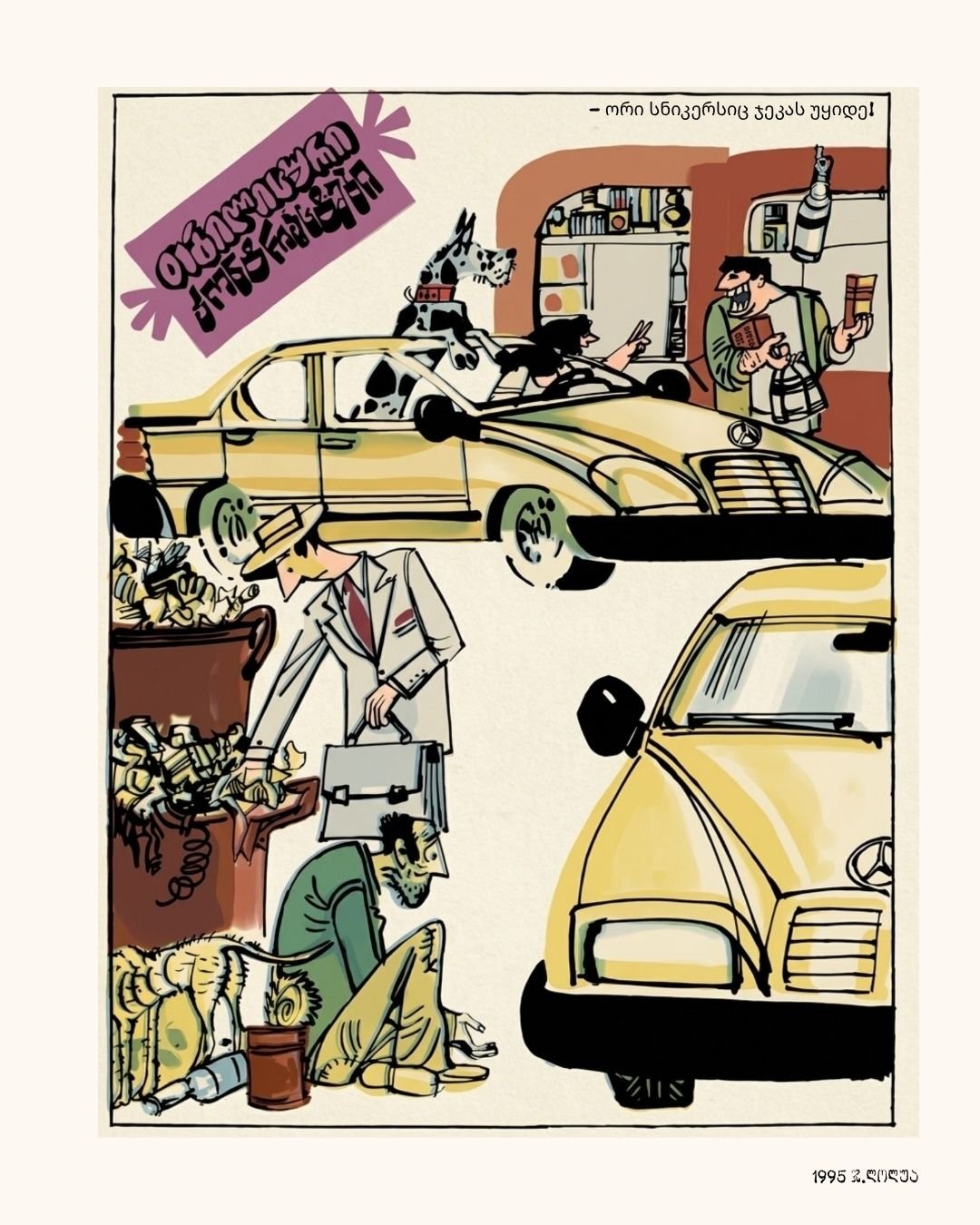
Freed from censorship, the bitter humor fully reflected the extreme hardship, social inequality, economic chaos, and hyperinflation of the post-Soviet period.
2000s
In independent Georgia, satire took on a tragicomic form to cover the extremely harsh social conditions, total unemployment, and mass labor emigration.
What this collection teaches us
This project allows us to analyze our past through the prism of visual humor and satire and see how the public agenda transformed - from local everyday problems to totalitarian propaganda and, ultimately, to the severe socio-economic crises of an independent country.
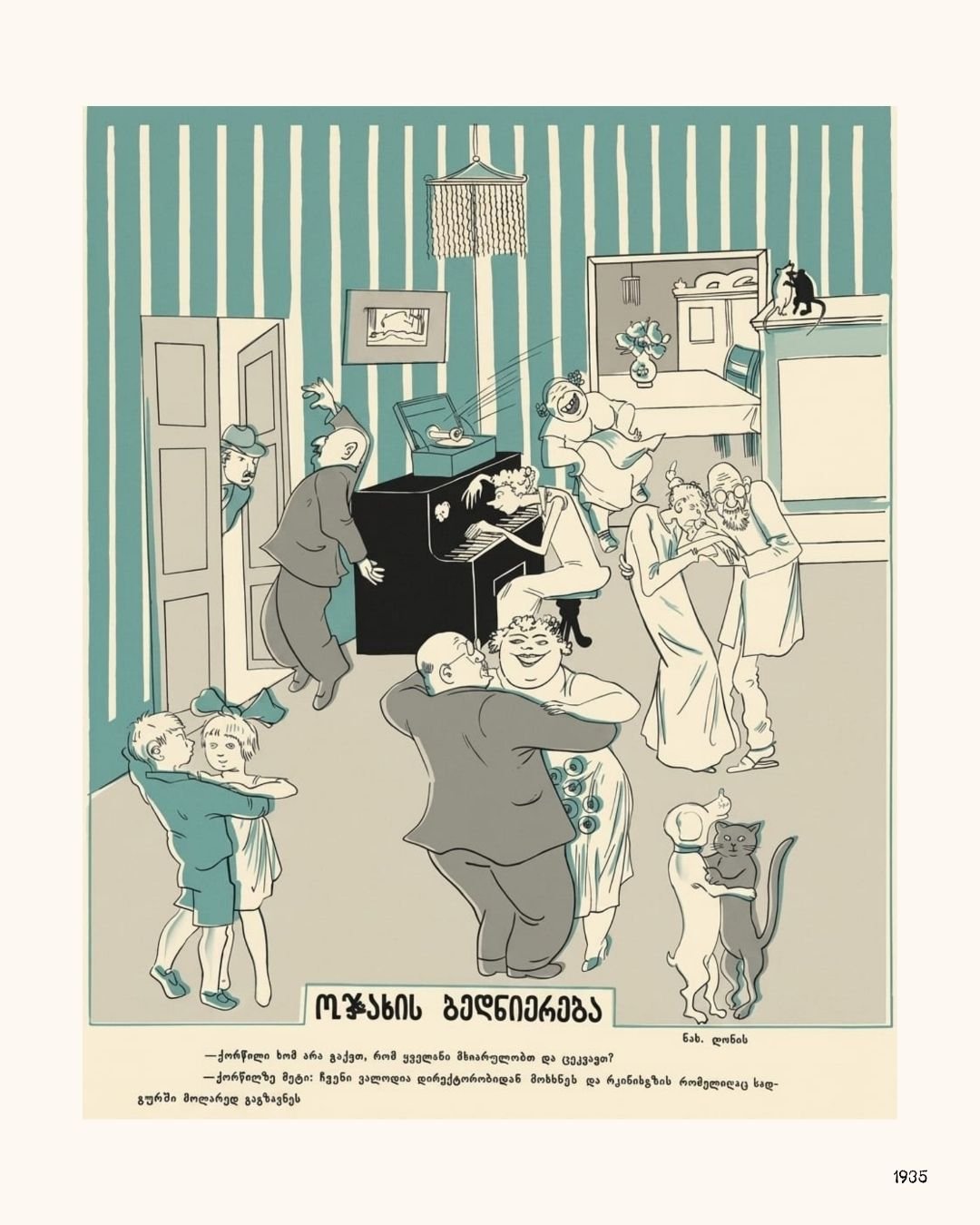
For example: 1935 Illustration Family Happiness A sharp satire of the Soviet bureaucratic system and political atmosphere. The family in the illustration cheerfully celebrates an event with music and dancing that looks like a wedding at first glance. However, the accompanying text reveals the real reason for the euphoria: Valodia's demotion from director to a railway station cashier. The plot ironically reflects the reality of the time: a high position was associated with great risk and danger, while a career demotion to a "quiet" job was seen as a relief and safety for the family. The artwork mocks the absurdity of people celebrating an escape from responsibility instead of success.